Hungry Haus: 3D Environment Design
Role: 3D Artist
Timeline: February-May 2025
Tools Used: Blender, Maya, Photoshop, Godot 4.4
The Creative Brief
Problem Statement
Most horror games rely on jump scares or combat, leaving puzzles feeling secondary and disconnected from the story.
Goals
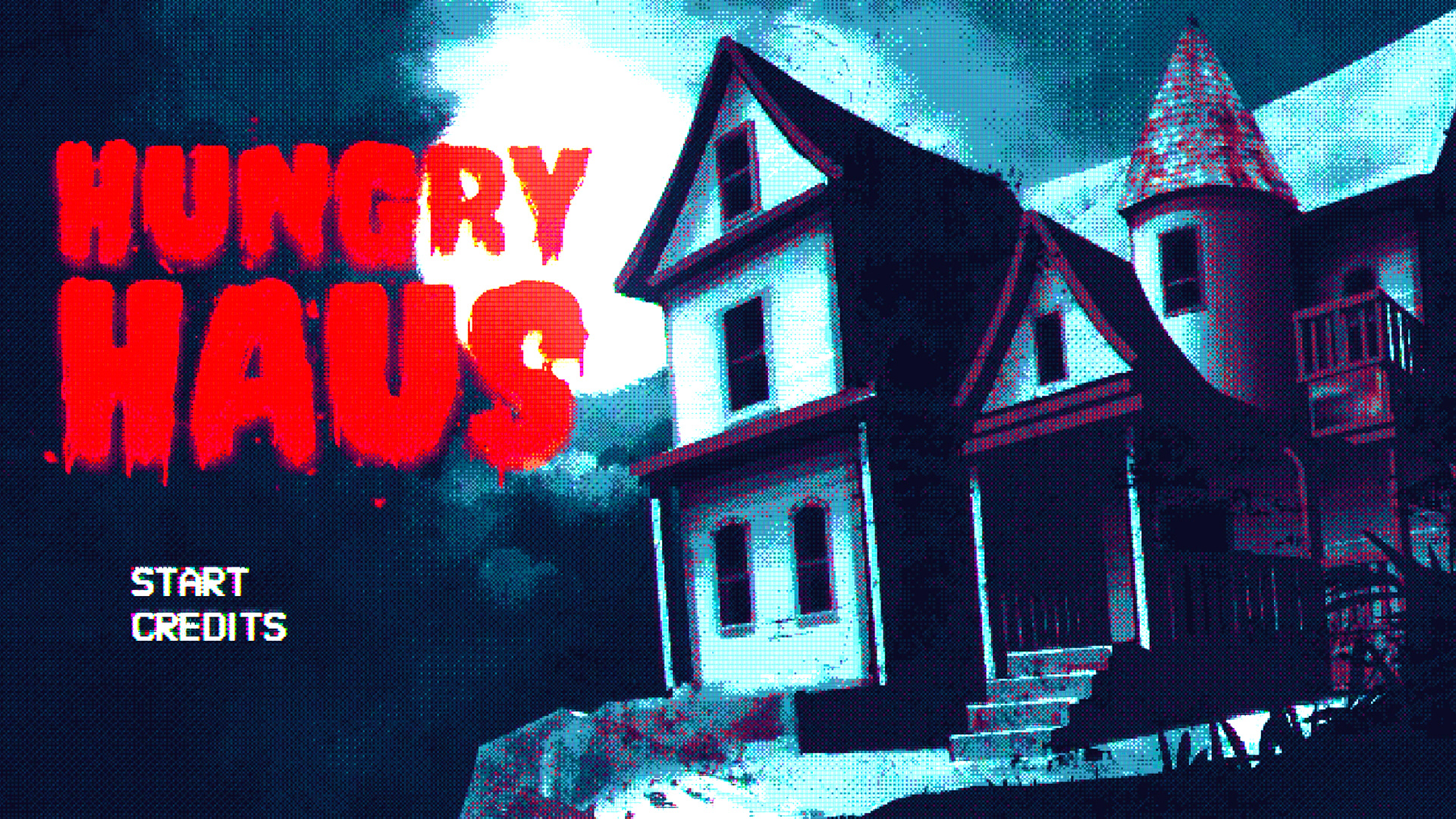
In Hungry Haus, the challenge is to make the house itself the antagonist, an environment that is alive, eerie, and fleshy, while keeping puzzles engaging, solvable, and essential to uncovering the lore.
Frustrations
Core Issue: Players need a horror experience where dread comes from the setting itself, and where each puzzle both advances progression and deepens narrative discovery.
Art Direction & Visual System
Modeling the Environment
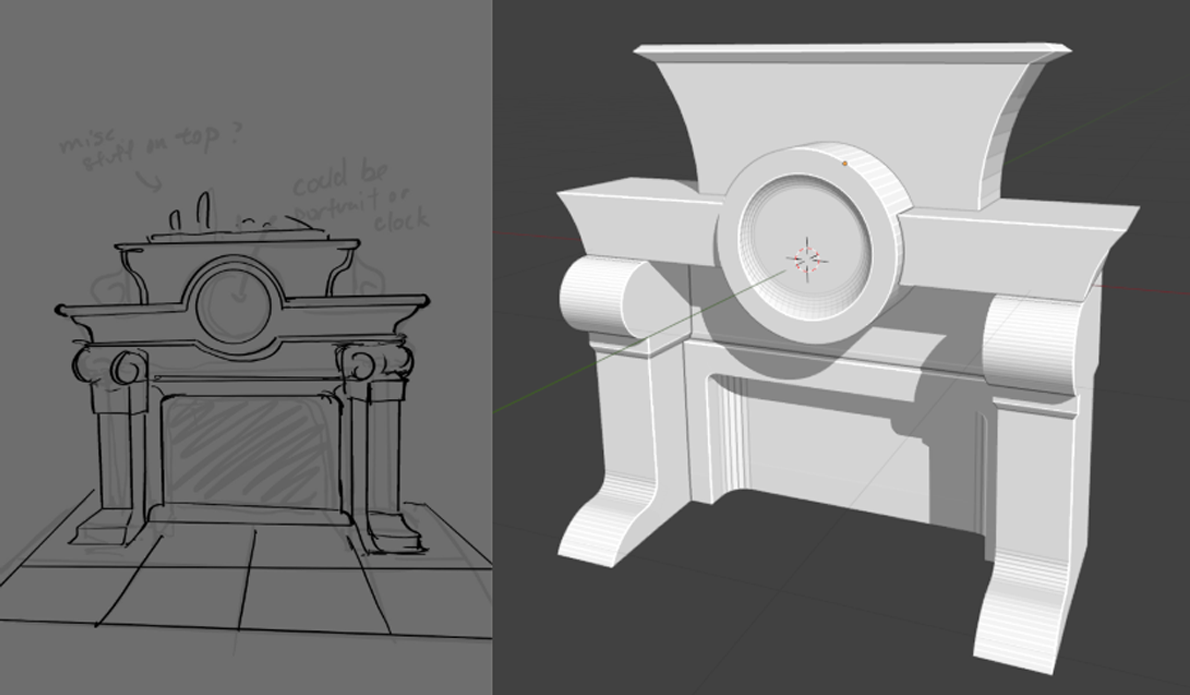
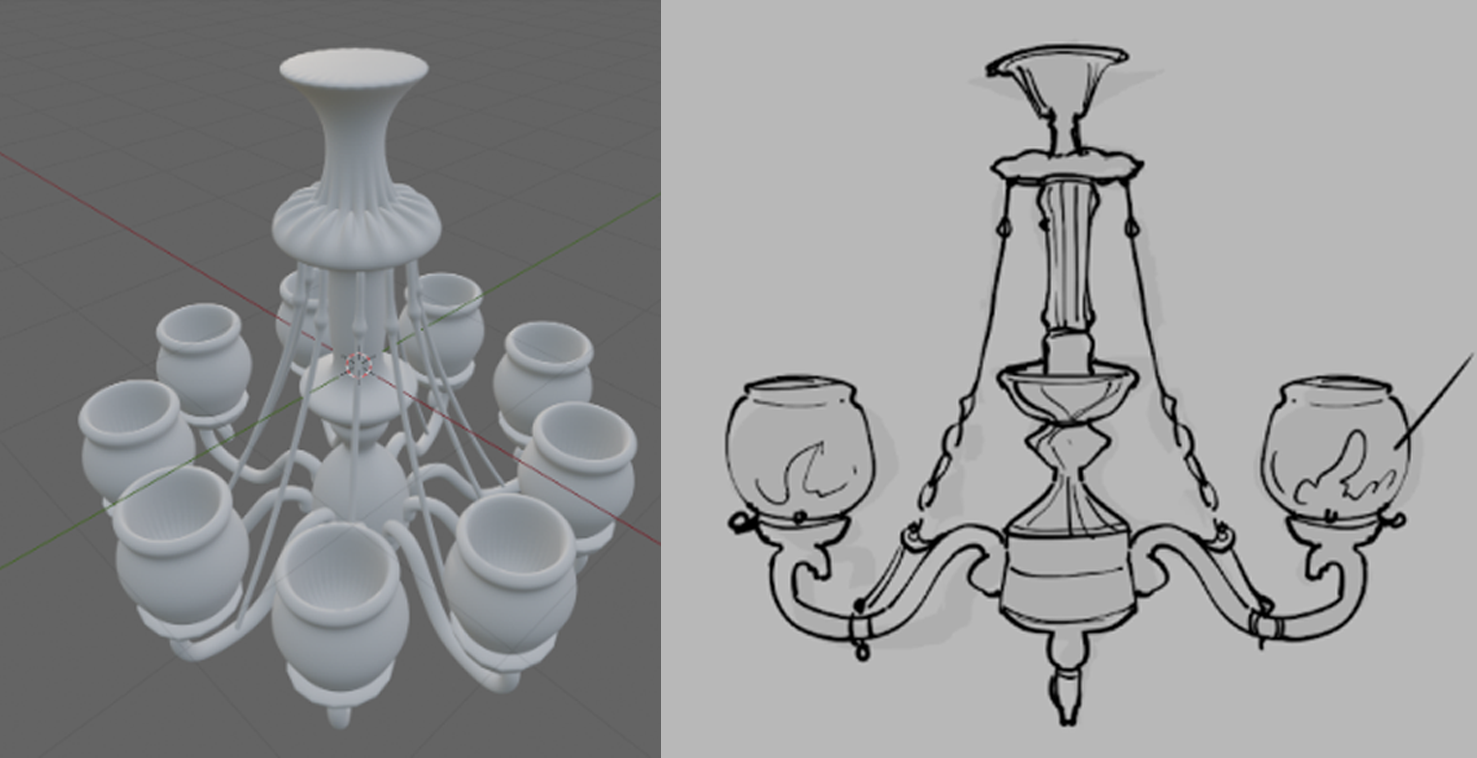
Props were created in Blender/Maya with clean, game-ready topology to match the house's antique aesthetic and run smoothly in Godot.
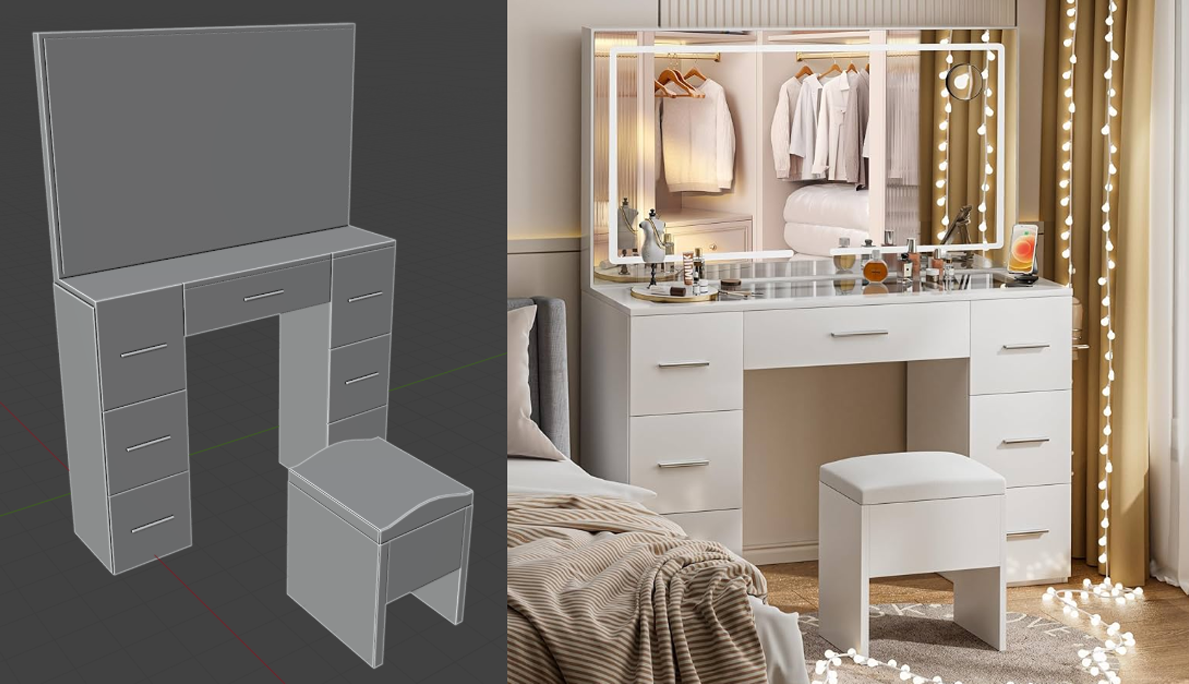
Dressing table & mirror: Key puzzle interaction
Fireplace: Connects lore-driven details
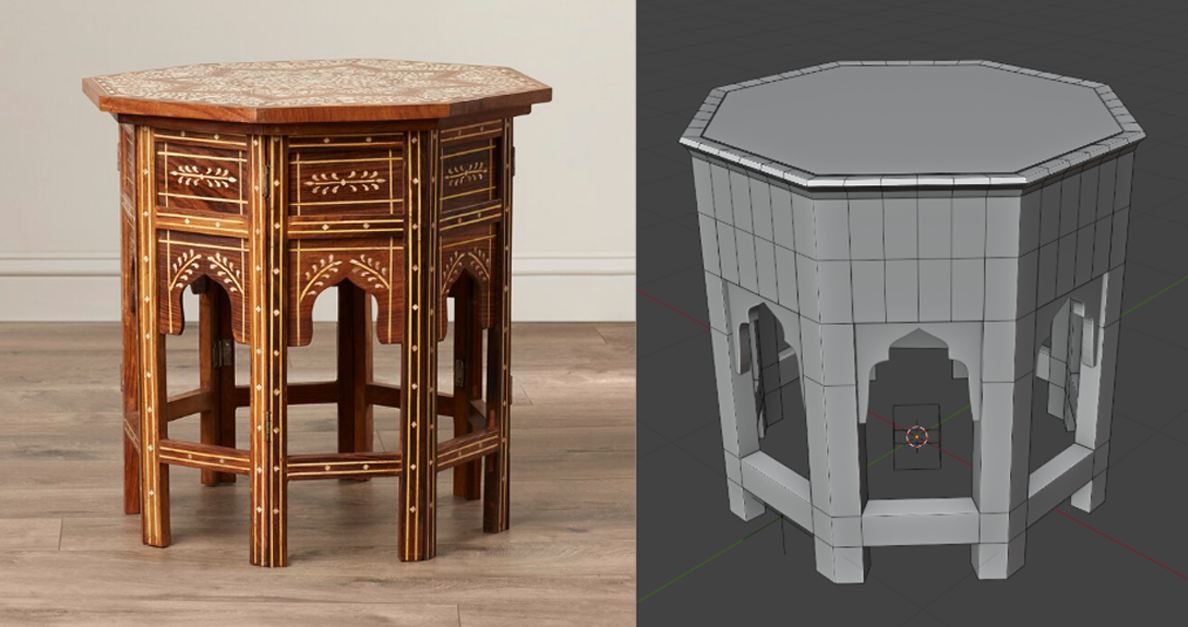
Side table: Supports eerie, aged atmosphere
Chandelier: Central lighting & puzzle clue
Craft & Production
Texturing Pipeline
Game-Ready: Efficient textures balanced realism with performance
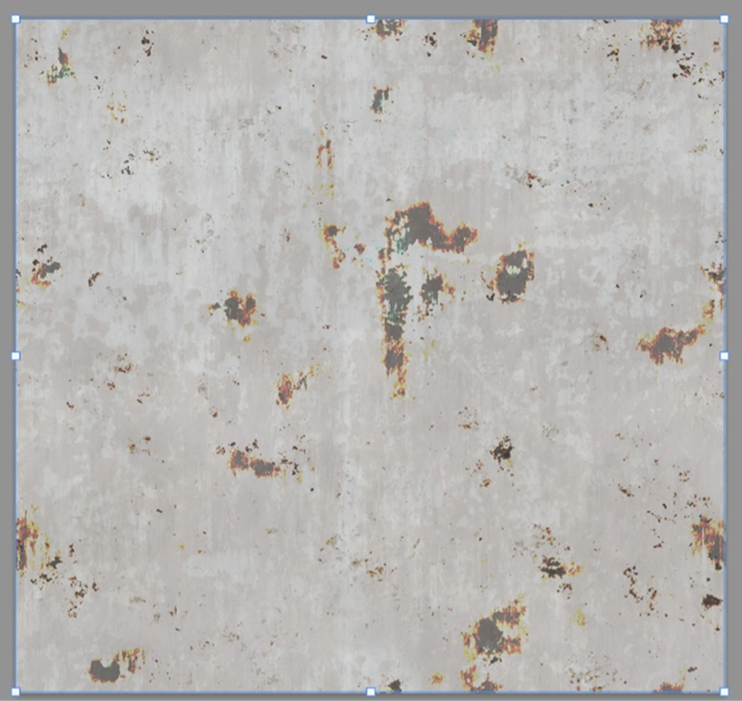
Photoshop Edits: Aged, weathered textures for atmosphere
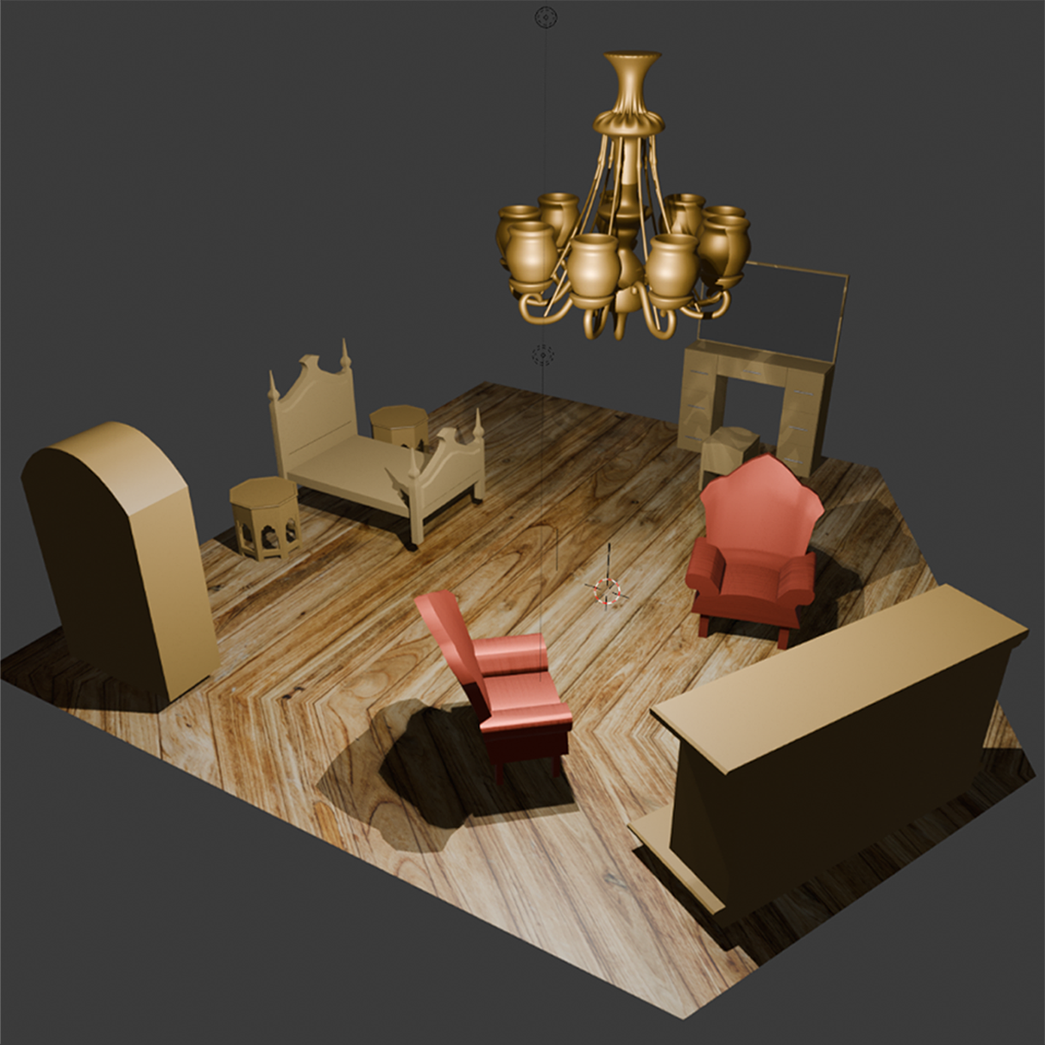
UV Mapping: Clean unwraps for accurate projection
Blender Nodes: Flexible control of material properties
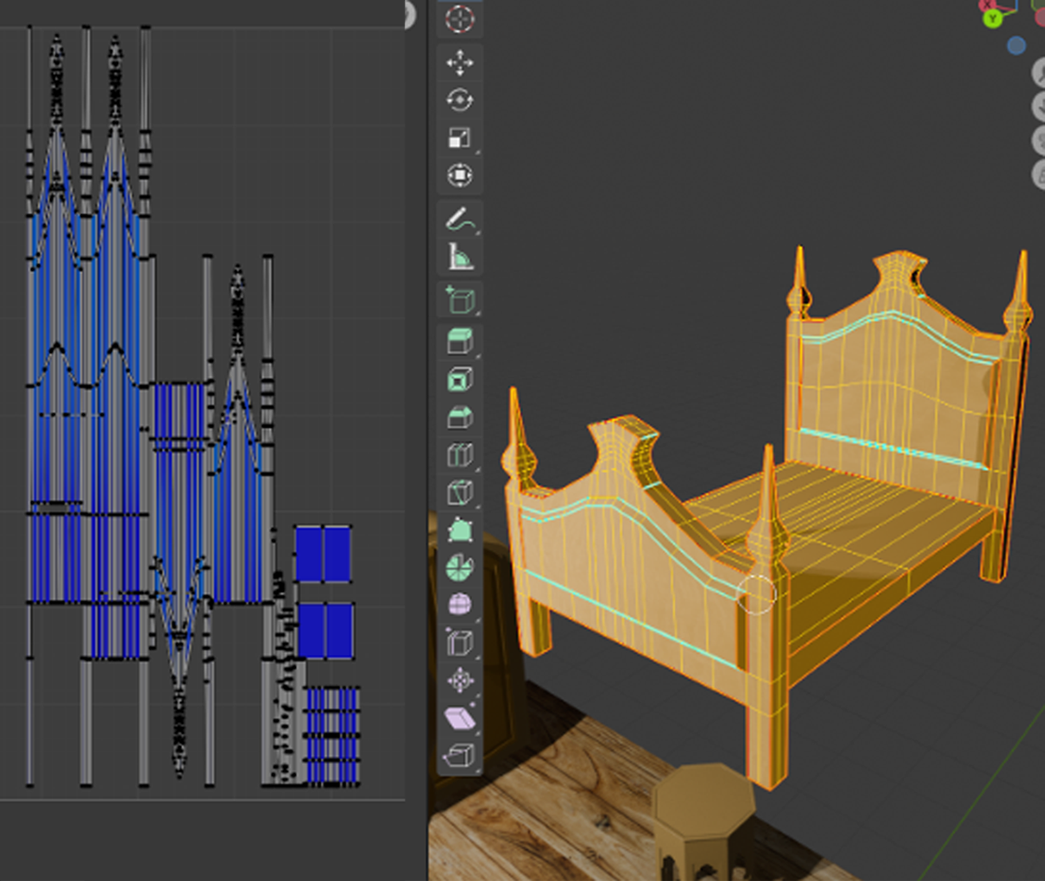
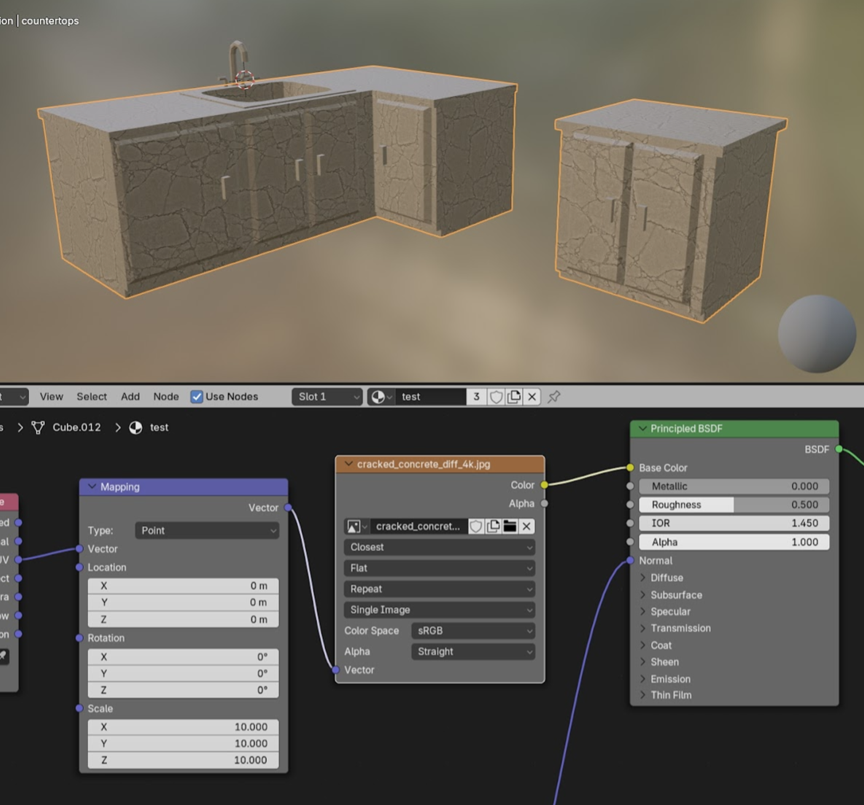
UV-unwrapped 3D models and applied projected image textures for realistic surfaces.
Textures were refined in Photoshop and integrated into Blender using a node-based workflow, ensuring consistency across assets and optimized performance for game-ready scenes.
Final Designs
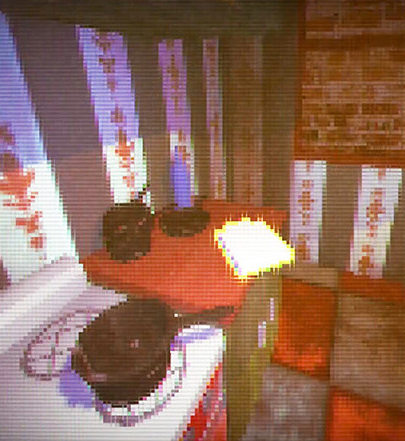
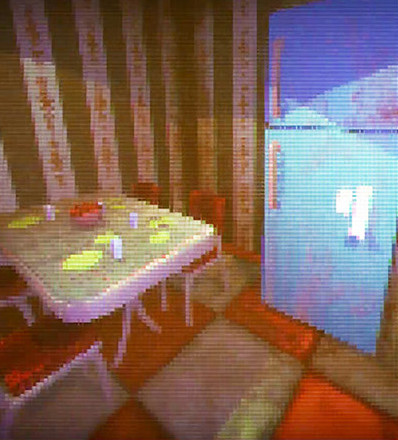
Kitchen Environment: Warm, high-contrast lighting highlights a retro stove and vintage dining setup against checkered floors and patterned wallpaper.
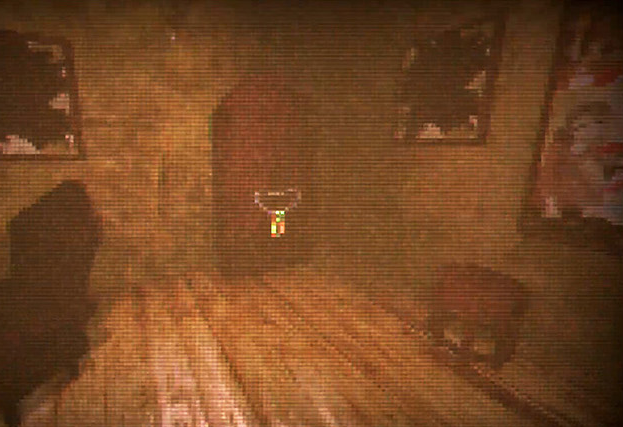
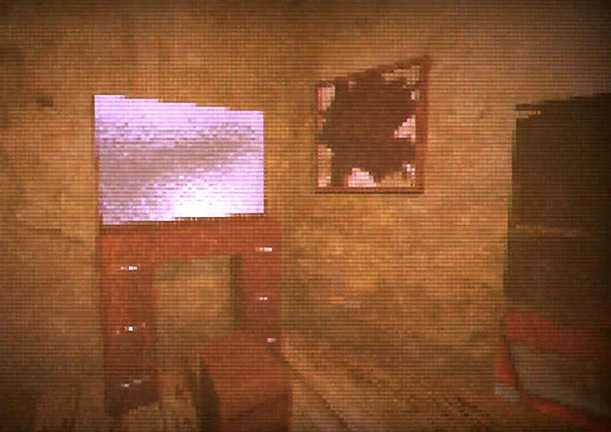
Bedroom Environment: Sepia lighting highlights aged floorboards and a dark wardrobe, contrasting with a glowing mirror against gritty walls.
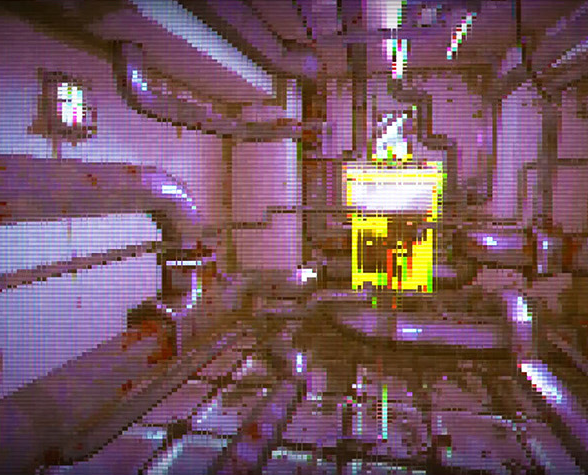
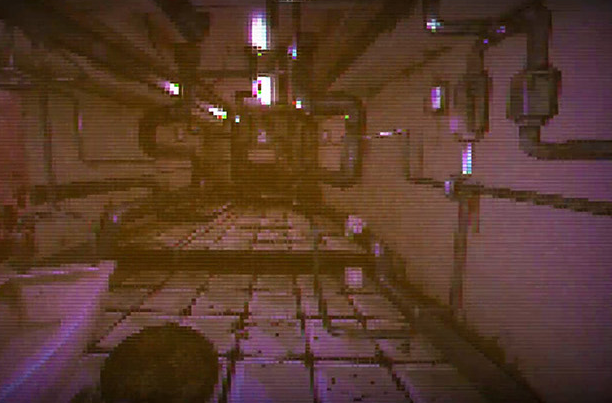
Bathroom Environment: Eerie purple lighting illuminates grimy tiles and industrial pipes, contrasting with a bright, neon-yellow mechanism.